On Friday May 17th, I took the Catalina Express out of San Pedro at 8:45 am to Catalina Island (Houdini’s Terror Island) to see the 100th year anniversary screening of “The Grim Game” sponsored by the Catalina Island Museum.

Despite rain the previous day, it turned out to be a gorgeous day to visit the Island. I walked to the Catalina Island Museum to see their new exhibits, including the permanent Houdini Terror Island Exhibit.


Jessica Zumberge (a curator at the Catalina Island Museum) was my tour guide.
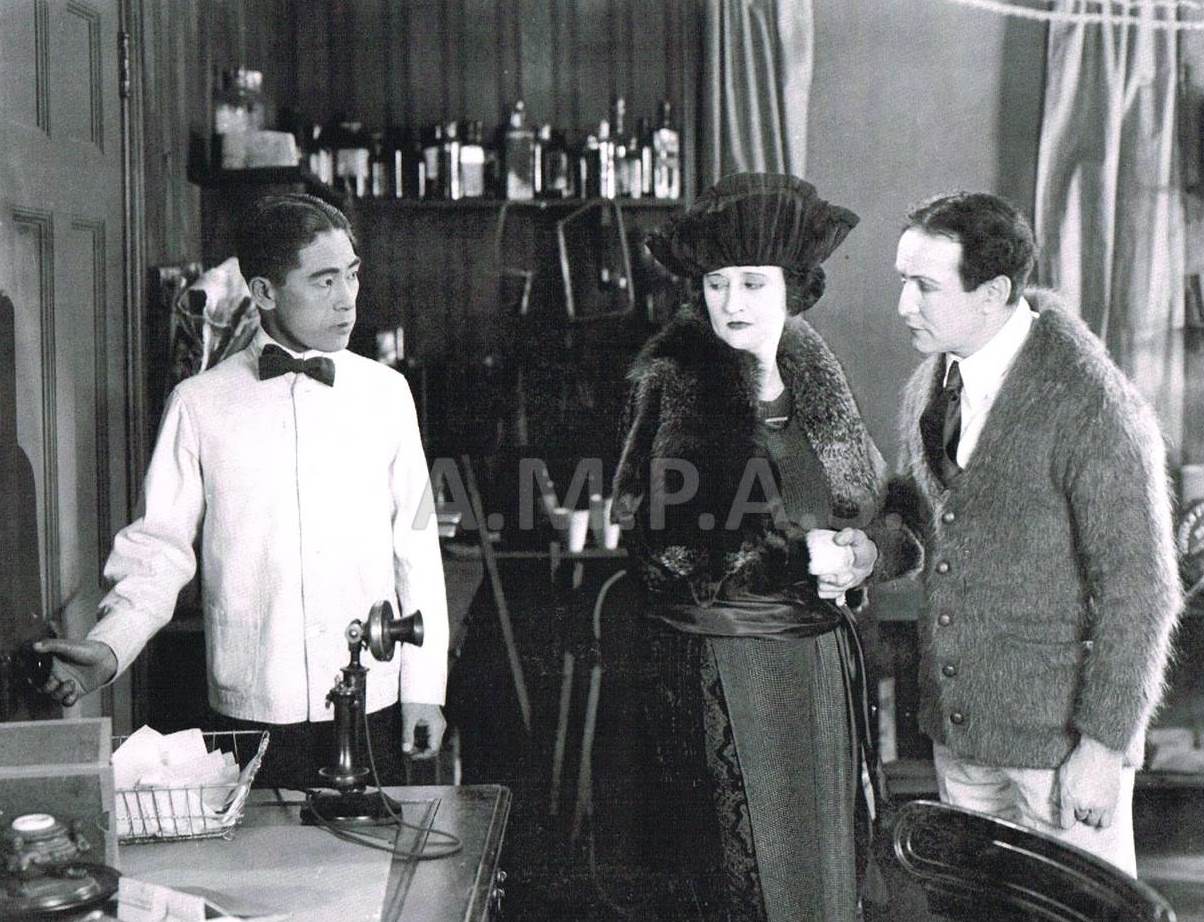
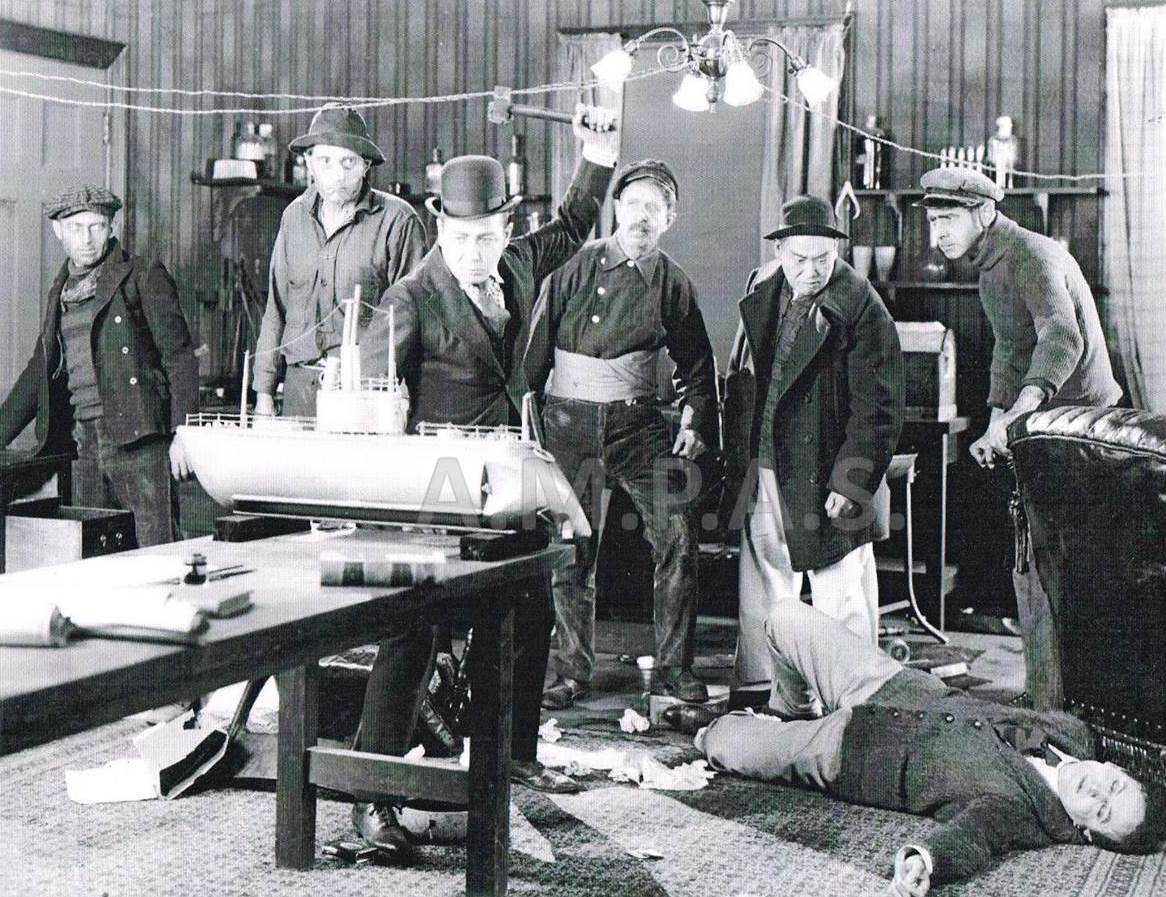
The Terror Island exhibit showcases lobby cards (Mark Willoughby collection), a film ad from the Press Book (John Cox collection), article on boat rescue, locations of the film’s most important scenes, and a video of the overboard box escape from the film.

If you look at the 2018 image of Toyon Bay, you will see me in photo, where the natives are in the 1919 photo.

And I am also credited as the one who uncovered the video of the overboard box escape that is missing from the existing movie. This footage is not available to view anywhere else, so visitors to the island get a rare treat.
I was then joined by fellow Houdini Nuts, Julie Perlin Lee (Executive Director at the Catalina Island Museum) and John Cox (Houdini Expert).

If you look at the old Catalina Map in the photo, you can see a beach called Pebbly Beach to the left of Julie and a beach called Banning Beach (now called Toyon Bay) to the right. These were key film locations in the Terror Island Movie.

John Cox and I then went to the Blue Water Grill where we talked Houdini, before going to check out “Houdini Point” at Descano Beach. This is where Houdini took part in a real-life nautical drama. A small vessel had been disabled and was in immediate danger of capsizing or smashing into the rocks off Sugar Loaf Point (I like Julie Perlin Lee’s idea to change the name to “Houdini Point”).
We then made our way to Overlook Hall, to set up for the main event of the evening, the 100th anniversary screening of “The Grim Game”. Overlook Hall, originally built in 1929, has emerged as Catalina’s premier venue for special events.

It was standing room only. John Cox who introduced the movie, tweeted:

It truly was a great night for a very special movie with music provided by Award Winning composer, Michael Mortilla. Below are photos from the event:


Hanging out with Michael Mortilla, John Cox, and Michael’s wife.


John Cox hanging out with guests, including Magician Lee Terbosic from Discovery Channel’s Houdini’s Last Secrets.


Hanging out with some of Catalina Island Museum’s amazing staff, Gail Fornasiere, Kellie Costello and Kevin Liebson.
Well it was now time to catch my 9:45 boat back home or was it? Half-way to the boat, my phone rings and I get an invitation to stay over with Perlin Lee Family for the Catalina Island Museum Silent Film Benefit, the next day.

What a treat! The brunch, dancers, speakers, movie and live orchestral music by Michael Mortilla & The Accompanists was incredible. Bravo!
Below are a couple photos from this amazing event:


David & Julie Lee Perlin and Lee Terbosic & Girlfriend Jessie Marie dancing in the ballroom, plus John, Lee & Jessie in the Art Deco Avalon Casino Theater.
Special Thank You to Julie Lee Perlin and her family for making this trip extra special.
Related:
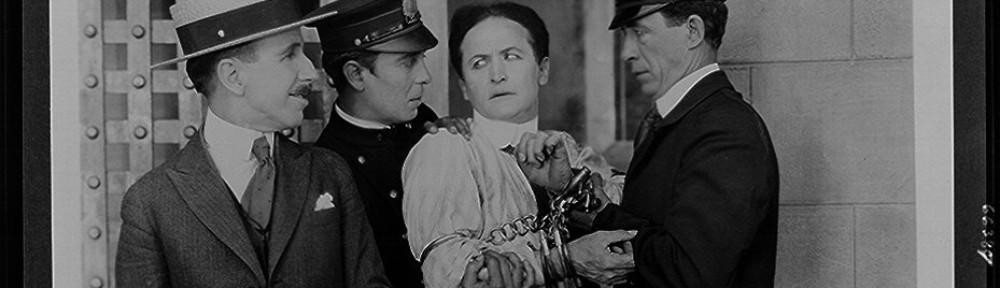


 Note: This photo is courtesy of The New York Public Library for the Performing Arts, Billy Rose Theatre collection. It was also part of the Houdini Art and Magic exhibition/book.